
“This company did an amazing job! Very professional, on time, and within the budget. My driveway and pool deck look new, and I was preparing to replace both because they looked so bad and are very old.”
Driveway & Pool Deck Sealing
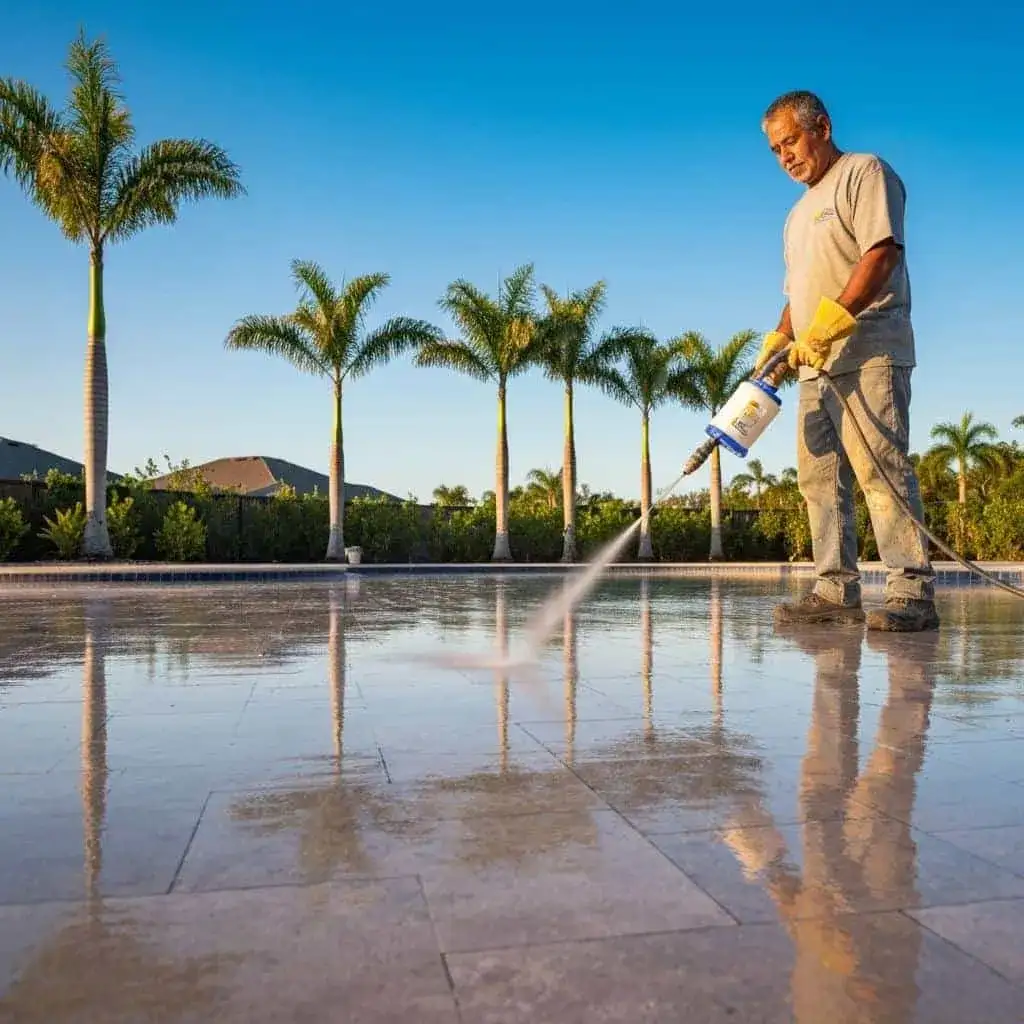
Florida's UV Index 11+, 60+ inches of annual rain, and coastal salt air are the three forces eroding your pavers every single day. Our industrial-grade breathable sealers stop all three — preserving color, blocking mold, and eliminating joint erosion.
UV Oxidation Blocked
Industrial UV inhibitors shield the color from Florida's UV Index 11+ — the leading cause of fading
Mold & Algae Denied
Breathable sealer surface eliminates moisture footholds that sustain mold, algae, and mildew colonies
Joint Erosion Stopped
Polymeric sand infusion creates permanent weed-resistant, rain-proof joint integrity — no more washout
3-Year Sealer Warranty
We warrant the sealer against peeling, delamination, and blushing — the only guarantees that matter
Florida's climate is uniquely hostile to unprotected hardscape. These are not hypothetical risks — they are the predictable, measurable outcomes we reverse on every restoration project.
Florida's UV index averages 11+ during summer — among the highest in the continental US. Unsealed surfaces lose up to 40% of their original color within 3 years. Sealing blocks UV penetration and locks in pigmentation permanently.
South Florida's 60–80% ambient humidity creates ideal conditions for mold and algae colonization on porous stone and concrete surfaces. Left unprotected, they develop black and green biological staining within 12–18 months. Breathable sealers deny moisture footholds without trapping ground humidity.
Standard kiln-dried joint sand has zero binding strength — Florida's 60+ annual inches of rainfall and routine pressure washing wash it out systematically. Loose joints let the stones shift and invite weed root intrusion and ant colony nesting. Polymeric sand is the permanent solution.
Florida's tropical canopy deposits tannins, berries, and organic acids directly onto unsealed surfaces. These compounds penetrate porous travertine and concrete within hours, causing deep-set brown and rust staining that requires professional extraction — not simple cleaning.
Florida's ground moisture is always present. Non-breathable sealers — common with solvent-based products — form a vapor-impermeable film over porous stone. Trapped moisture cannot escape, migrates to the surface, and causes efflorescence (white hazing or "blushing") — a permanent, irreversible discoloration without complete sealer stripping. Every product we use carries a breathability rating of 3 or above on the European BS EN 1062-1 scale. This is not optional. It is the standard.
Every sealing project begins with a full restoration — not a surface coat applied over neglect. This is the technical difference between a 2-year result and a 7-year result.
We apply a professional-grade bio-degradable algaecide and fungicide solution across the entire surface. This pre-treatment kills mold, algae, and lichen at the root level — preventing re-growth from dormant spores deep within the stone matrix.
Dwell time: 20–30 minutes. Eco-safe, pet-safe, and phosphate-free.
Our industrial oscillating surface cleaners deliver consistent 3,000–4,000 PSI pressure in a controlled circular pattern — eliminating the streaking caused by traditional pressure wand washing. This removes bio-film, embedded dirt, old sealer residue, and efflorescence salts without etching the stone surface.
Equipment: 20" surface cleaner heads. Zero streaking guaranteed.
Oil, rust, tannic acid staining from Florida's tropical trees, and efflorescence deposits require targeted chemical extraction. We apply pH-specific poultice compounds for each stain type, allow full dwell penetration, then extract the dissolved compound from the pore structure.
Stain types treated: rust, oil, tannins, battery acid, paint, and efflorescence.
All joints are blown clean with compressed air, then packed with premium polymeric sand. The sand is swept in, compacted, excess removed, and activated with a fine water mist. The polymer binders cure over 24 hours into a flexible, interlocked joint matrix that resists rain washout, weed germination, and ant tunneling.
Product standard: ASTM C144 compliant. Joint integrity: 5–7 year lifespan.
We apply the selected sealer using a flooding-coat technique — flooding the surface then back-rolling to achieve uniform penetration depth and eliminate surface pooling. Two coats are applied where required. Our breathable, water-based industrial sealers cure to the selected finish within 4–6 hours.
Application: flooding coat + back-roll. Cure time: 4–6 hours (walk-on), 24–48 hours (vehicle).
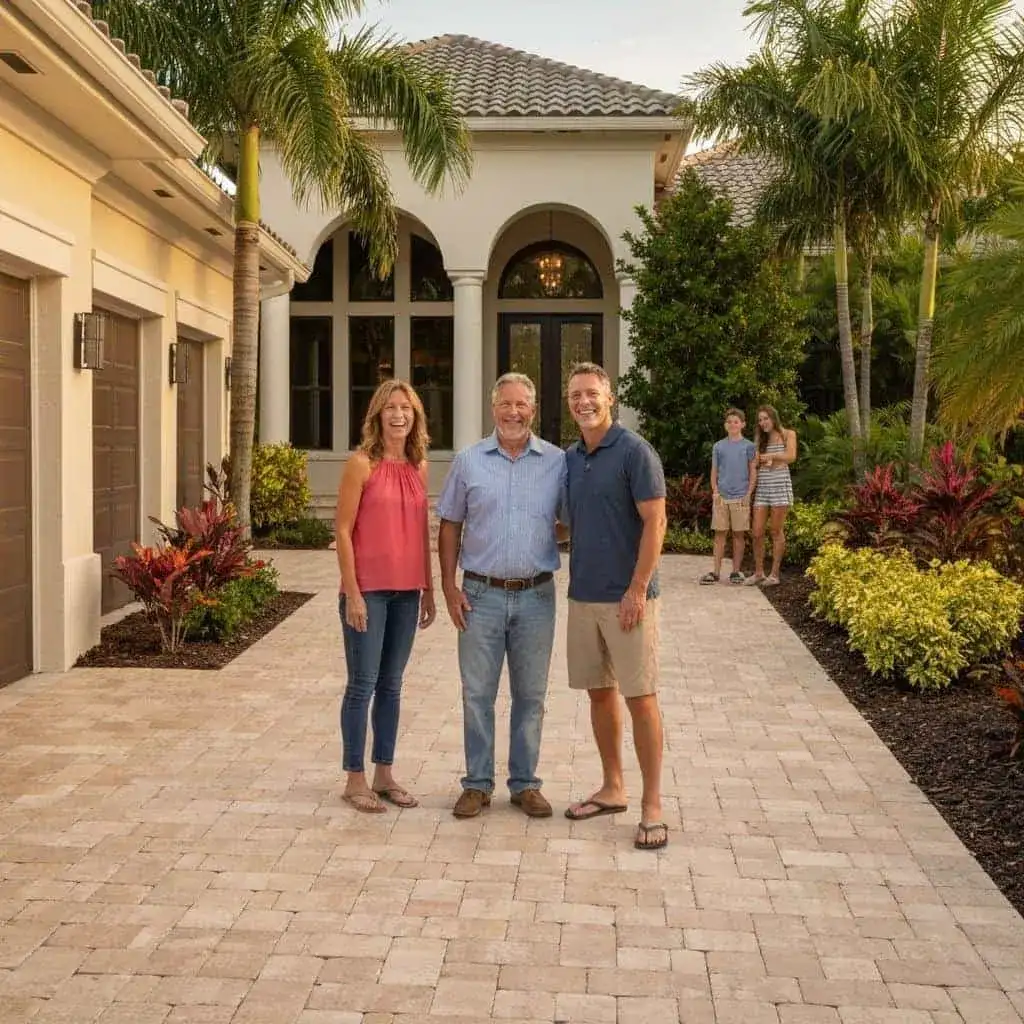
A protected, restored surface your family enjoys every day — and neighbors notice from the street. 360+ South Florida families can't be wrong.
5.0 Google Rating · 360+ Verified Reviews
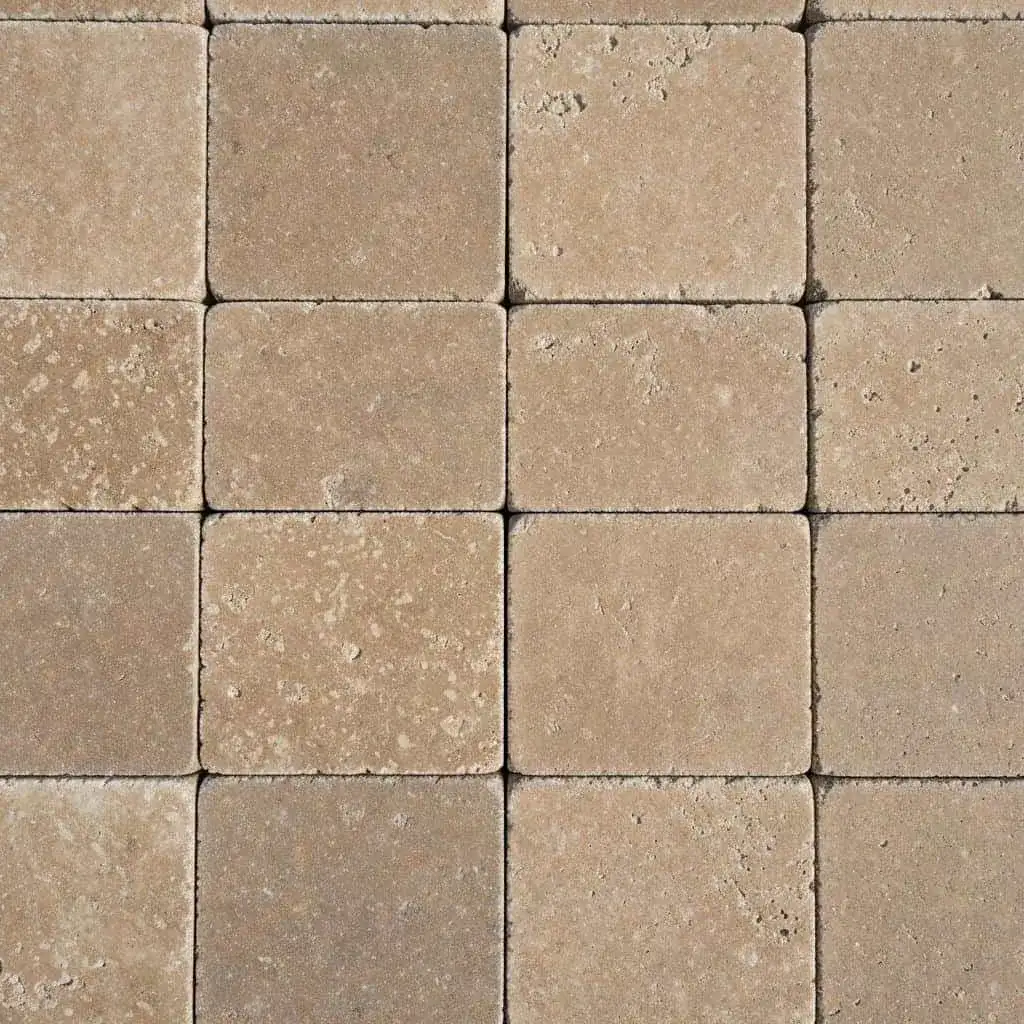
Invisible Protection
The matte finish provides full UV and moisture protection while maintaining the surface's original, unsealed appearance. No sheen, no color enhancement — purely functional protection that is visually indistinguishable from an untreated surface.
Best for: Pool decks, natural stone patios, areas where authenticity is priority.
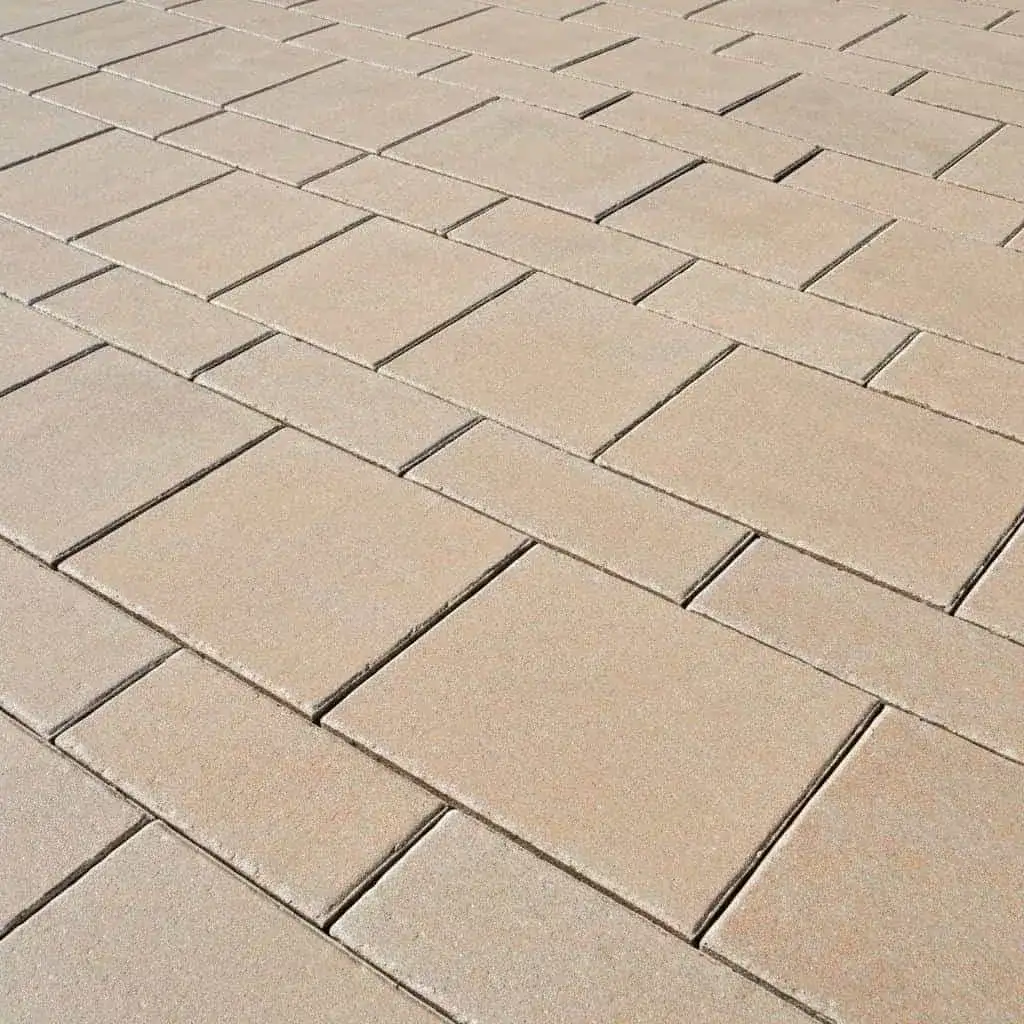
Balanced Enhancement
The satin finish is our most requested option — a subtle, low-sheen enhancement that deepens the existing color by 15–25% while maintaining a sophisticated, non-commercial appearance.
Best for: Driveways, patios, walkways, outdoor living areas — universal application.
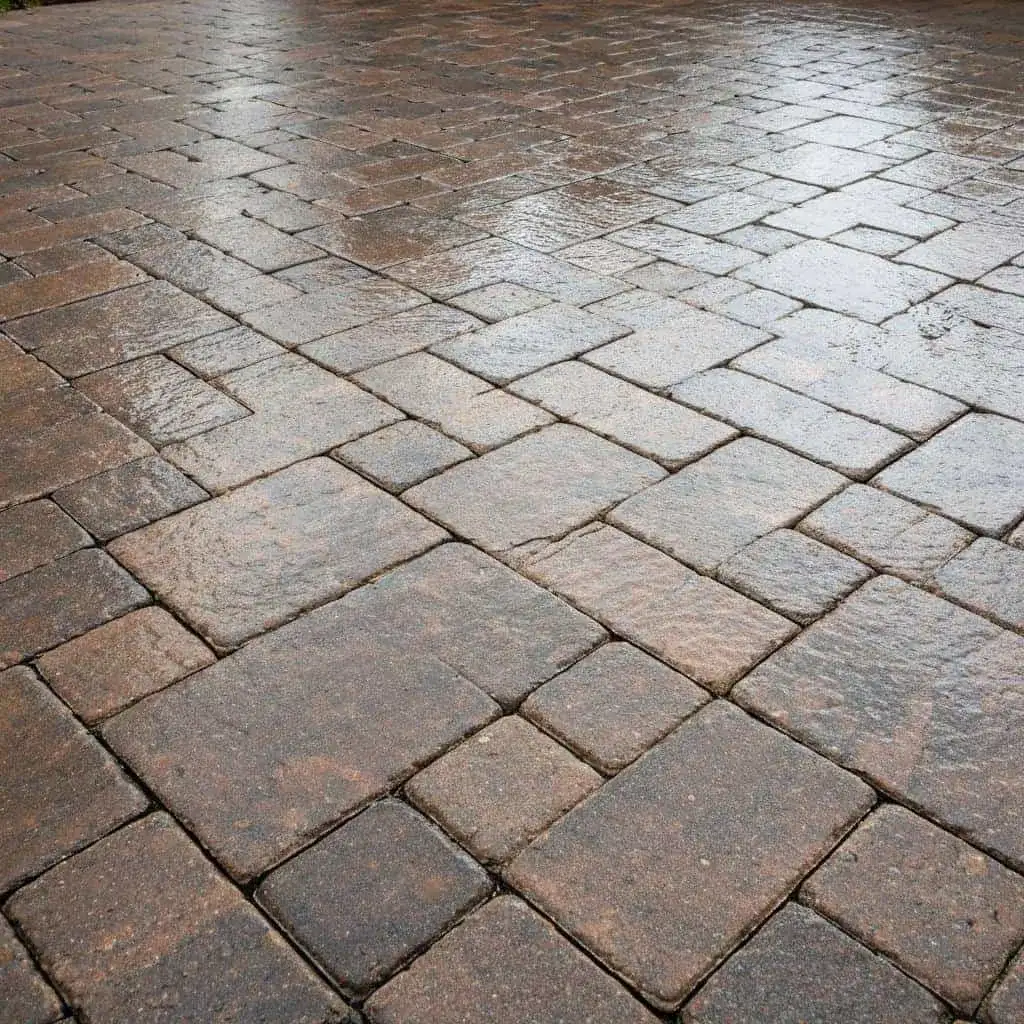
Maximum Impact
The wet-look finish delivers the deepest color saturation and a rich, reflective gloss that dramatically elevates curb appeal.
Best for: Driveways, decorative patios, colored concrete, high-visibility areas.
Florida Note: Wet-look sealers offer the least breathability. On travertine or in very humid enclosed areas, we use water-based formulations with a breathability rating of 3+ to prevent moisture trapping.
Not every sealant belongs on every surface. The wrong pairing (film-forming sealer on porous natural stone, or a solvent-based sealer in Florida humidity) is the #1 reason DIY sealing jobs fail within a season. On every job we apply a sealer with a low-pressure sprayer (never a roller) for even, long-lasting coverage that flows into the joints and locks the whole hardscape landscape in one system.
Our professional sealing process follows a step-by-step protocol identical on every job: deep clean, dry, joint sand replacement, then sprayer-apply the sealant in two thin coats. That step-by-step guide is what makes water-based sealers deliver consistent stain protection and easier to clean surfaces year after year — apply a sealer this way and you help prevent every common failure mode. When you reseal on the 2–3 year cycle, the entire hardscaping project stays looking like the "after" photo instead of drifting back toward "before".
Breathable, low-VOC, safe indoors. Water-based sealers form a protective film that blocks stains, deflects UV rays, and enhances color with a subtle gloss. Modern professional choice — what we specify on 90% of our Florida concrete jobs; even Florida homeowners get freeze-thaw resistance for the rare cold snap. Combined with the right hardscaping prep, it delivers a durable finish that outlasts any DIY roller job.
Best for: Concrete and brick pavers
Soaks into porous stone and protects from within without changing surface texture or gloss. Doesn't lift off, doesn't blush, doesn't need stripping between reseal cycles.
Best for: Travertine, marble, limestone
Older technology — high gloss but high VOC and dramatically more likely to blush (white haze) in Florida's ambient humidity. Once popular, now largely replaced by water-based equivalents that perform better and last longer.
Best for: Not recommended for Florida
A subset of water-based sealant that amplifies the natural color depth — the 'wet look' effect that leaves the surface looking rain-soaked. Beautiful on driveways and patios; on pool decks always paired with non-slip aluminum-oxide additive.
Best for: Driveways, patios (with non-slip on pool decks)
Full comparison in our best paver sealer for Florida guide, plus wet look vs matte for finish selection.
Honest starting ranges — every quote is free, on-site, and itemized so you can compare apples to apples.
| Sealing scope | Typical cost | What's included |
|---|---|---|
| Budget tier (avoid — fails in 12–18 months) | $0.75 / sq ft | Minimal prep, commodity sealant |
| Our full restoration protocol | $1.10 / sq ft | Deep clean, stain extraction, polymeric sand, breathable sealer, 3-yr warranty |
| Premium (wet look + coastal marine-grade) | $1.30–$1.50 / sq ft | Color-enhancing sealant, marine-grade poly sand, non-slip on pool decks |
| 500 sq ft driveway (typical) | $550 – $750 | Full protocol, walk-safe 4-6h, drive 24-48h |
| 300 sq ft pool deck (with non-slip) | $390 – $550 | Includes aluminum-oxide non-slip additive DCOF 0.65+ |
| Old sealer stripping (if required) | + $1.00–$2.00 / sq ft | Chemical stripper — required when previous sealant is failing |
Deeper breakdown in our full sealing cost guide and Palm Beach County pricing notes.
“This company did an amazing job! Very professional, on time, and within the budget. My driveway and pool deck look new, and I was preparing to replace both because they looked so bad and are very old.”
“Couldn't be happier with using Craft Pavers. They check all the boxes of responsive, professional, fairly priced, honest, high quality work and then some.
From initial onsite meeting to completion of the work (on a Sunday), Ciprian impressed and delivered. He provided some welcome education on paver restoration, protection and maintenance to extend their life and he made our patio look like new. Beyond standard pressure spraying/scrubbing, he made sure all mildew and dirt was removed from the cracks and then laid new sand in between. There was even some rust spots I assumed wouldn't come up but I found Ciprian on his knees scrubbing them by hand to remove them without me even mentioning them to him. He also repaired 2 broken pavers for free.
Long story short, if you have a patio, driveway or other hard surface needing cleaned and protected, I highly recommend Craft Pavers.”
“Outstanding Service and Exceptional Results!
I recently had the pleasure of hiring Craft Pavers to seal my stone pool deck, and I cannot express how impressed I am with the work. From start to finish, they demonstrated the highest level of professionalism, expertise, and attention to detail, making them the best paver sealing company I have ever worked with.
The owner arrived promptly at the scheduled time and were courteous and respectful throughout the entire process. He took the time to explain the sealing techniques and answered all of my questions with patience and clarity. His knowledge and expertise was evident, provided me confidence that I had made the right choice.”
Full review on Google ↗“I had Craft Pavers Sealing and Restoration pressure wash and apply sealer on my pool deck pavers, and I couldn't believe the result at the end. They were very professional and very much on time with the estimate and the service.
Very detailed oriented and easy to work with. I am recommending this company to anyone that wants quality work.”
“Great finished work! From start to finish our restoration with Craft Pavers was fantastic. Ciprian, the owner, offered a level of service one doesn't see these days — above and beyond.
I would recommend Craft Pavers 1000x over. Stop now and hire them. Your search is over.”
“Great experience from estimate to finish of the job. Showed on time and gave me all the information I needed to choose the finish of my pavers.
Craft Pavers Sealing & Restoration sealed my travertine pavers and I was very happy with their service. I will recommend it to any home owner that needs quality service.”
“Craft Pavers Sealing and Restoration did a great job cleaning and sealing our pavers. None of his competitors even mentioned the need of adding sand in the joints after doing an in depth washing and I saw why: that was the hardest and time consuming part.
The job we had was a bit special due to the fact that the company that did it previously didn't use the right sealer, so Craft Pavers Sealing and Restoration came and did a test in order to find the right sealer for our pavers. If you are looking for a low cost option, call another company, but if you want someone to really care about the correct solution, please call them.”
“Fantastic job at a competitive price! Ciprian came himself to estimate the job, sent me a proposal and came to do the work in less than one week.
Craft Pavers is a class act! When your pavers need cleaning sanding and sealing, CALL THEM!”
“Dealing with Craft Pavers has been the BEST experience. I had just put in marble pavers around a new pool and quickly realized that once bought, the decisions on type of sealer were very complex. My concerns included safety with being slippery, aesthetics, and finally the degree of successfully sealing to protect staining. I had several estimates, but the other contractors told me the type of sealer they use and nothing else. The owner of Craft offered to try different samples to allow me to be sure of my decision. He came out 3 times at no charge understanding my concerns. When we decided what system to use, I was impressed with the meticulous preparation. He power washed the new marble saying that the sealer would be more stable. The other contractors had a significant charge for this. The marble is beautiful and not slippery. It is not often that one feels that they did not pay enough. This was true in this case!”
“Had a great experience working with Ciprian for doing some repair work on my pool pavers and then cleaning/sealing the pavers and driveway. He walked us through all the options and even provided a few samples for how the different sealers would look and feel. Great attention to detail and very thorough - I would highly recommend.”
“After searching for a company to seal the pavers on my patio, I decided to bypass the 'handymen' who heavily advertise power washing and sealing, and instead limit my search to companies that have a proven expertise in both the installation and maintenance of brick pavers. While the # of positive reviews on Craft Pavers was instrumental in my solicitation of their bid, the decision to use them was made AFTER they came out and presented both a bid and an explanation of what they do and why. They were able to tailor their estimate to exactly what I wanted, and offered me different options, affording me the ability to choose from good, better, and best (sealer), while judiciously following up on every aspect, including the movement of furniture from the patio.
Ciprian and his associate promptly scheduled to a date and time that met my needs, and arrived exactly as scheduled. Prior to the visit, I received notifications and reminders — a welcome addition to the service — and they managed my expectations to insure that I was pleased.
The workmanship and attention to detail was remarkable, as they not only started with the 'usual' pressure washing (high powered Honda equipment), but manually scrubbed areas that needed it — even dropping to hands and knees to make sure it was clean. Between the quality of the sand they used, together with a professional-grade sealer, every inch of the patio looks better than it did when new.”
Full review on Google ↗Get a free, no-obligation on-site assessment. We'll tell you exactly what your surface needs — and what it doesn't.


